
RebalanceMD Victoria
Specialty medical care for musculoskeletal and orthopaedic conditions.
At RebalanceMD Victoria, our physician team diagnose and treat a wide range of orthopaedic and musculoskeletal conditions. Whether surgical or non-surgical, we guide your recovery every step of the way.
Care that moves you forward.
From first referral through rehabilitation and recovery, our surgeons, rheumatologists, internal medicine physicians, sports medicine physicians, physiatrists, anaesthesiologists, and plastic surgeons work together as one team. Your care is supported by co-located medical imaging, physiotherapy, and support products.
For patients, this means a seamless and connected care journey. For providers, it means timely updates and efficient communication.
How it works
Your care journey is simple:
1. Referral
Your family doctor or nurse practitioner sends us your referral.
2. Specialist
We connect you with the physician best suited to your needs.
3. Care
We coordinate your consultation and treatment plan.
Conditions we treat
- Arthritis and joint degeneration
- Injuries to muscles, tendons, and ligaments
- Inflammatory and autoimmune disorders
- Paediatric musculoskeletal conditions
- Post-surgical and complex cases
Services
Every condition is different, and so is every path to recovery. That’s why we bring together a wide range of medical specialties, each focused on helping you move forward.
Orthopaedic Surgery
Assessment and surgical treatment of bones, joints, and ligaments.
Helps patients with arthritis, severe injuries, or joint damage that may require procedures such as joint replacement, arthroscopy, or fracture repair.
Your orthopaedic surgeon works closely with the wider team to plan surgery and guide recovery.
Non-Operative Musculoskeletal Medicine
Focused on conservative, non-surgical treatments.
Helps patients with joint pain, tendon and ligament injuries, or degenerative conditions.
Physicians work with the rehab team to optimise recovery without surgery when appropriate.
Sports Medicine
Care for athletes and active individuals of all ages.
Helps with sprains, strains, ligament tears, cartilage injuries, and overuse conditions.
Physicians focus on safe return to activity, injury prevention, and performance support.
Physiatry (Physical Medicine & Rehabilitation)
Non-surgical management of musculoskeletal and neurological conditions.
Supports people with chronic pain, mobility challenges, or functional limitations.
Physiatrists create tailored plans that focus on restoring movement, independence, and quality of life.
Rheumatology
Diagnosis and management of autoimmune and inflammatory diseases.
Supports patients with rheumatoid arthritis, lupus, vasculitis, and related conditions.
Rheumatologists help manage symptoms, slow disease progression, and improve daily function.
Internal Medicine
Provides medical assessment and optimization of adult patients before surgery.
Consultation focuses on evaluating comorbidities, stratifying cardiac and pulmonary risk, and ensuring chronic conditions are well managed. Internists offer guidance on perioperative medication management, recommend strategies to reduce complications, and coordinate care with surgical and anesthesia teams to support safe surgical outcomes.
Electrodiagnostic Medicine (EMG/NCS)
Specialised testing of nerve and muscle function.
Used for patients with numbness, weakness, tingling, or unexplained pain.
Helps identify nerve entrapments, neuropathies, and other conditions that guide treatment.
Paediatric MSK Assessment
Specialised musculoskeletal care for children and adolescents.
Supports families managing injuries, developmental differences, or chronic MSK conditions.
Paediatric specialists ensure children receive safe, age-appropriate care.
Complex, Multi-System MSK Cases
Comprehensive evaluation for patients with overlapping or complicated presentations.
Designed for those who may require input from multiple specialists.
Care is planned collaboratively, bringing together the right expertise.
Post-Operative Specialist Follow-Up
Ongoing monitoring and treatment after surgery.
Supports patients during the healing process, helping address concerns, prevent complications, and plan rehabilitation.
Follow-up ensures a safe and coordinated return to activity.
Clinical Counselling
Supports patients preparing for, or recovering from: surgery, managing the emotional impact of injury, and navigating changes in mobility or lifestyle. Sessions are available by direct booking, no referral required.
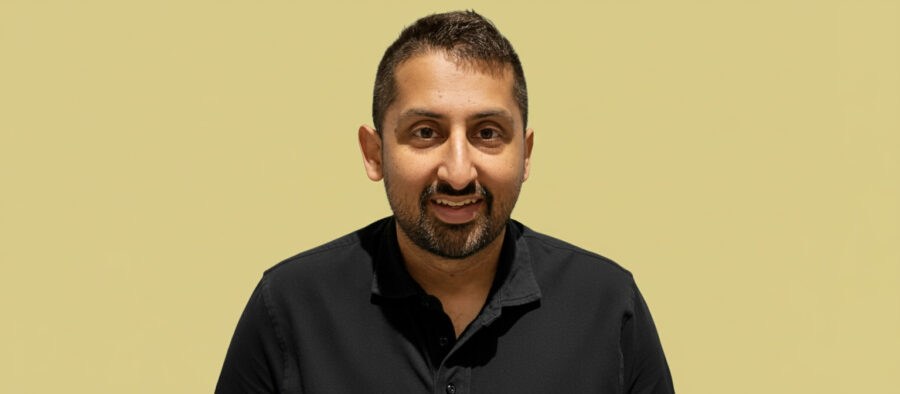
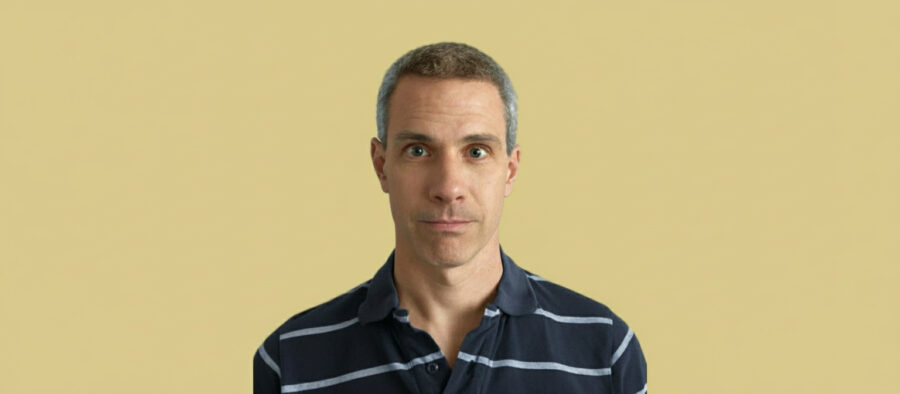
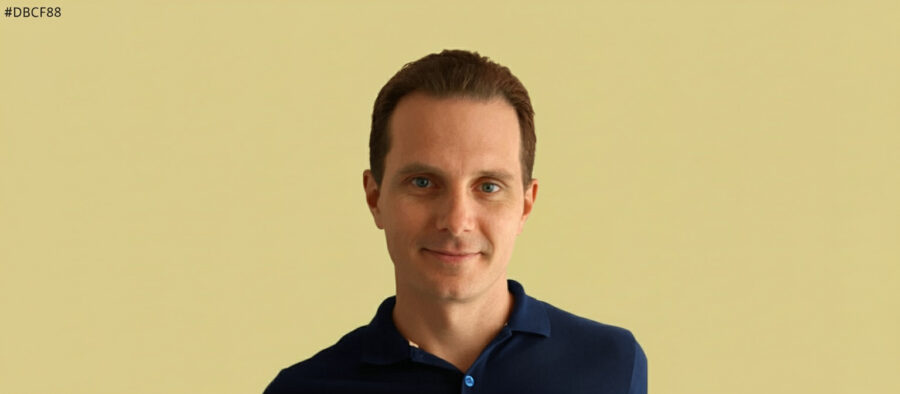
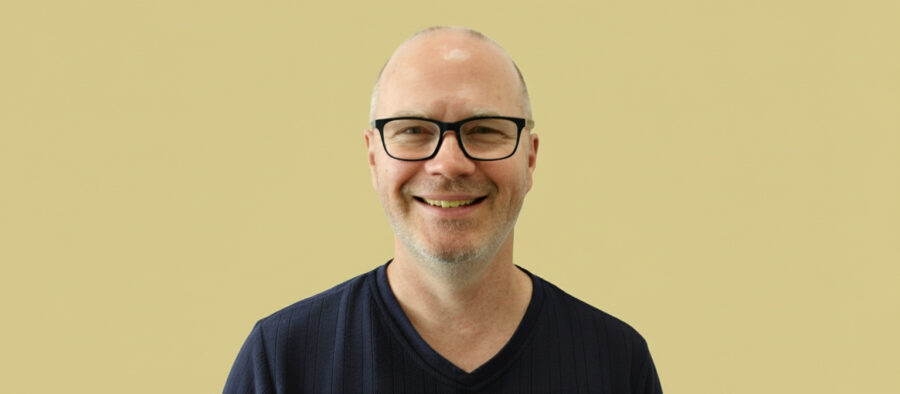
Care Delivery Team
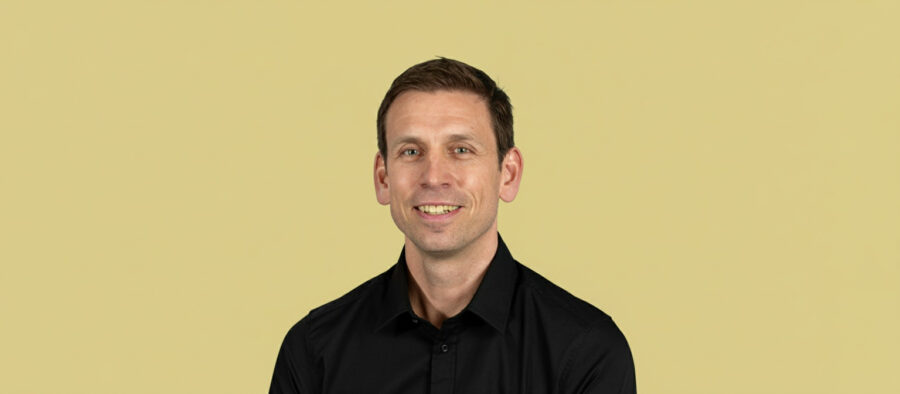
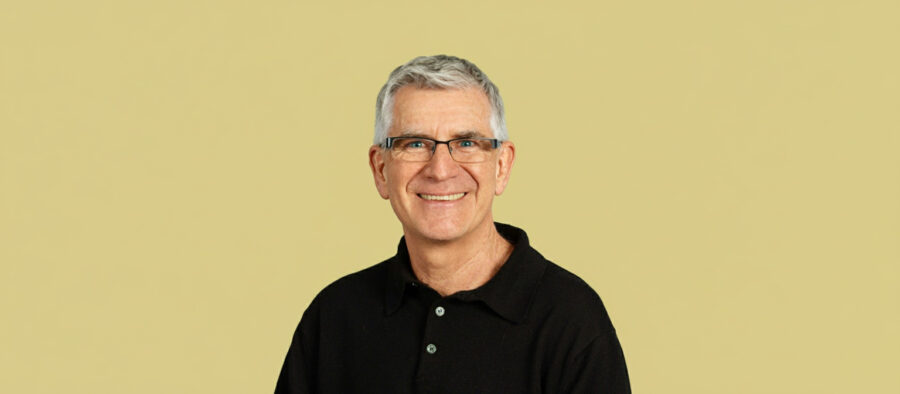
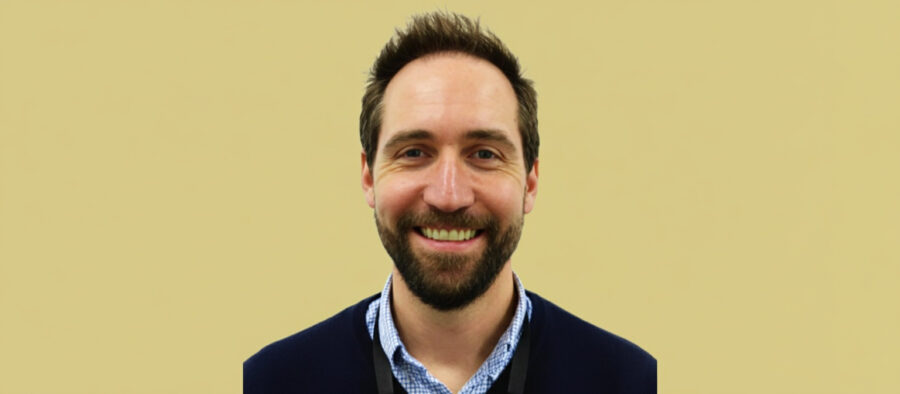
Remarkable People. One Shared Purpose.





Patient Resources
What to Expect After You’re Referred
Once your referral is received, you’ll get a confirmation message from our team. Your referral then moves through our triage process, where it’s reviewed and assigned to the most appropriate clinician (or direct to a specific clinician). When your appointment is ready to be booked, we’ll contact you with the details and next steps.
Shoulder Resources
- Shoulder replacement information booklet
- Video: shoulder replacement education
- Nerve block shoulder surgery
- Collarbone fractures
- General information and tips for after shoulder injury or surgery
- Rotator cuff repair
- Shoulder arthroscopy
- Shoulder exercises
- Shoulder instability
- Upper arm (proximal humerus) fractures
- Video: Shoulder rehab exercises
- Elbow arthroscopy recovery guide
- Elbow fracture recovery guide
Hip Resources
- Hip replacement information booklet
- Video: hip replacement education video
- Video: hip replacement information
- Video: anaesthetic information
- Video: hip precautions
- Video: daily activities after hip replacement (following precautions)
- Video: hip replacement exercises (3-6 weeks post surgery)
- Video: hip replacement exercises (6-12 weeks post surgery)
- Video: hip replacement exercises (12+ weeks post surgery)
- Video: hip rehab exercises
Knee Resources
- Knee arthritis treatment guide
- ACL reconstruction
- High tibial osteotomy surgical guide
- High tibial osteotomy rehab protocol
- Knee arthroscopy
- MPFL
- Video: leg rehab exercises
Knee Replacement Resources
- Knee replacement information booklet
- Video: knee replacement education
- Video: knee replacement information
- Video: anaesthetic information
- Video: daily activities after knee replacement surgery
- Video: knee replacement exercises (1 week post surgery)
- Video: knee replacement exercises (2 weeks post surgery)
- Video: knee replacement exercises (3 weeks post surgery)
- Video: knee replacement exercises (after clearance from physiotherapist)
Foot & Ankle Resources
- Ankle replacement information booklet
- Video: ankle replacement education
- Video: anaesthetic information
- Achilles tendon rupture
- Ankle arthroscopy
- Ankle fractures
- Big toe (1st MTP) bone spur removal
- Big toe (1st MTP) reconstruction or fusion
- Video: foot and leg rehab exercises
- Video: leg rehab exercises
- Video: walking with crutches
Preparing for your Appointment
Information guide here.
Information about Office Procedures & Injections
- Exertional Compartment Syndrome
- Platelet Rich Plasma (PRP)
- Cortisone injections
- Viscosupplementation
Ultrasound Guided Injections / Point-of-Care Ultrasound
At RebalanceMD, physicians use point-of-care ultrasound in clinic to assist with diagnosis and treatment planning. This safe, painless imaging technique uses high-frequency sound waves to create real-time images of soft tissues. Ultrasound can help guide diagnostic and therapeutic injections, and provides additional insight when physical examination alone cannot fully explain a patient’s symptoms.
Nerve Conduction Studies (NCS) & Electromyography (EMG)
Electrodiagnostic testing helps assess how nerves and muscles are working. At RebalanceMD, physiatrists use NCS and EMG to better understand nerve and muscle function, support diagnosis, and guide treatment planning.
How the Tests Work
- NCS measures how well nerves carry electrical signals. It is often used to check for conditions such as carpal tunnel syndrome, radiculopathy, or other peripheral nerve disorders.
- EMG measures the electrical activity of muscles at rest and in motion. It helps identify problems in muscles, nerves, or the connection between them, such as muscle inflammation, herniated discs (sciatica), or neuromuscular conditions.
Both tests provide detailed information that cannot always be gathered from a physical exam alone.
Preparing for Your Test
- Let your physician know if you are taking blood thinners (Coumadin/Warfarin/Heparin).
- Wear loose clothing that can be rolled up past elbows and knees.
- Avoid skin lotions or creams on the day of your appointment.
- Do not smoke or consume caffeine (coffee, tea, cola, chocolate) for 2–3 hours before your test.
More information on EMG at nerve conduction studies can be found on the Healthlink BC site.
Presurgical Resilience Optimisation Project (PROP)
Join PROP! The Presurgical Resilience Optimisation Project.
PROP is an 8 week Online Group Medical Visit program lead by physicians and offered to patients having joint replacement surgery. The goal is to have patients be physically and mentally ready for surgery, so they get the best results. This program will increase patient resilience to help before, during, and after surgery.
Skills training includes Mindfulness Meditation and Cognitive Behavioral Therapy. These are skills known to improve resilience, manage stress, manage pain, and improve surgical recovery.
Education topics include Physical Activity with Arthritis (including Prehab and Rehab), Perioperative Nutrition, Pain Management and Pain Mindset, Social Supports, and Sleep Optimization.
This is a virtual course, done from your own home using Zoom on your own laptop or desktop computer. The Groups are once a week for 8 weeks in a row, lasting 1.5 hours, usually on Wednesday afternoons. This program is covered by MSP.
Learn how to be as healthy as possible for surgery and benefit from the support of others who are also waiting.
Reach out as soon as you have been placed on a Surgical Waitlist for Joint Replacement.
Registration Information:
Email us: prop@rebalancemd.com
Call us: 250-940-4444 and ask for PROP registration
Why patients choose RebalanceMD
One team, every step.
At RebalanceMD, your care is collaborative and coordinated. Our physicians, surgeons, and physiotherapists work together to provide expert guidance, and a comprehensive treatment plan built for you.
Victoria
104-3551 Blanshard St.
Victoria, BC V8Z 0B9
Uptown Mall
Phone
250.940.4444
Fax
250.385.9600
| Monday – Friday | 7:30am – 4pm |
| Saturday | Closed |
| Sunday | Closed |
Need a referral?
To see a medical specialist at RebalanceMD, you will need a referral from a physician or nurse practitioner.
This could be your family doctor, or — if you don’t have one — a walk-in clinic, virtual care service, emergency department, or nurse practitioner can provide one.
Ask your healthcare provider to send the referral directly to RebalanceMD.